Compare Local Contractors for Tree Curbing Installation Success
Compare local contractors for tree curbing installation to define project scope, verify experience, and set clear expectations in writing for a successful job.
Tree curbing installation is a specialized service that involves creating a defined border around a landscaped area, often to protect tree roots, prevent soil erosion, or enhance curb appeal. This work typically covers the preparation of the site, the selection of appropriate materials such as concrete, stone, or brick, and the precise construction of the curb to ensure durability and aesthetic appeal. Proper installation not only helps maintain the health of trees and surrounding landscaping but also adds a polished look to the property’s outdoor space.
Defining the scope of a tree curbing project is essential to achieving satisfactory results. Property owners should clearly outline what they want the curb to accomplish, whether it’s a simple barrier or an elaborate decorative feature. Detailing the desired materials, size, and style helps ensure that contractors understand expectations from the outset. Having a written agreement that specifies the scope of work can prevent misunderstandings and provide a clear reference throughout the project, fostering smoother communication and more predictable outcomes.
When comparing local contractors for tree curbing installation, property owners should consider their experience with similar projects, the range of services offered, and their reputation within the community. It’s helpful to verify that contractors have a history of completing work to a consistent standard and that they can provide references or examples of past projects. Additionally, reviewing written proposals that outline the scope, materials, and responsibilities can aid in making an informed decision. Taking the time to compare these factors ensures that property owners select a service provider capable of meeting their specific needs and expectations.
Compare local contractors by outlining project priorities, verifying experience, and establishing clear written expectations.
- Compare Contractor Experience - Review the background and project history of local contractors to ensure relevant expertise.
- Define Project Scope Clearly - Outline specific tasks and expectations to prevent misunderstandings during the installation.
- Verify Qualifications and References - Check references and previous work to assess the reliability of service providers.
- Document Agreements in Writing - Ensure all project details, responsibilities, and expectations are confirmed in a written contract.
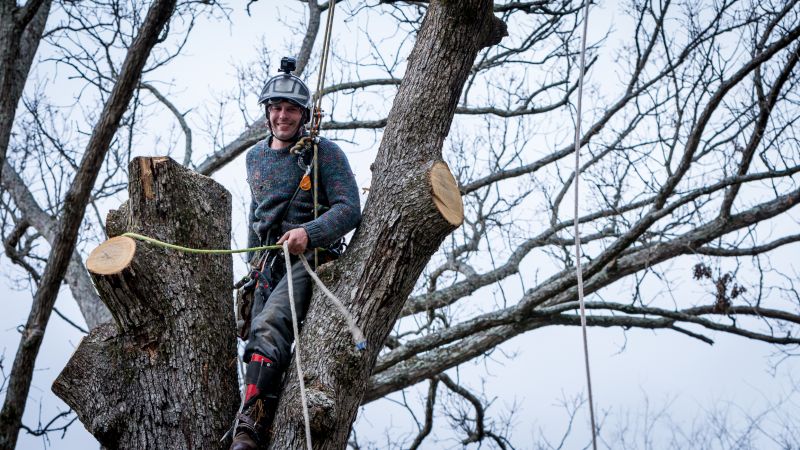
Clearly describe your tree curbing installation project to compare local contractors, verify their experience, and set expectations in writing.
- Verify the contractor’s experience with tree curbing installation to ensure familiarity with the specific scope of work. - Confirm that the scope of work is clearly defined and documented in writing before beginning the project.
- Compare multiple service providers to evaluate their expertise, reputation, and quality of previous work in tree curbing installation. - Ensure that the contractor provides a detailed proposal outlining materials, methods, and project expectations.
- Check references or reviews to assess the reliability and professionalism of local contractors specializing in tree curbing. - Discuss project details to clarify the process and address any specific requirements or concerns.
- Ensure that all project expectations, including scope and materials, are documented in a written agreement or contract. - Confirm that the contractor adheres to local codes and standards relevant to tree curbing installation.
- Assess the contractor’s ability to provide a detailed scope of work and communicate clearly about the project process. - Look for transparency in the planning and execution stages to facilitate a smooth project experience.
Compare local contractors' experience and clarify project scope to ensure successful tree curbing installation.
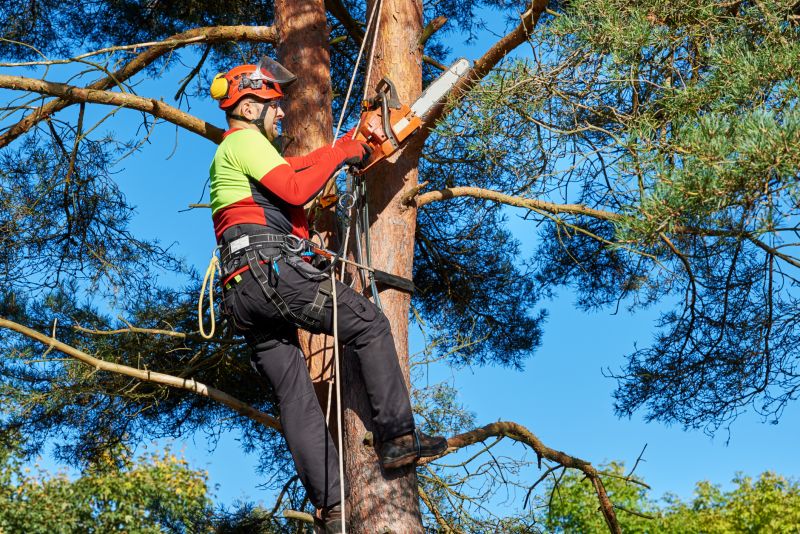
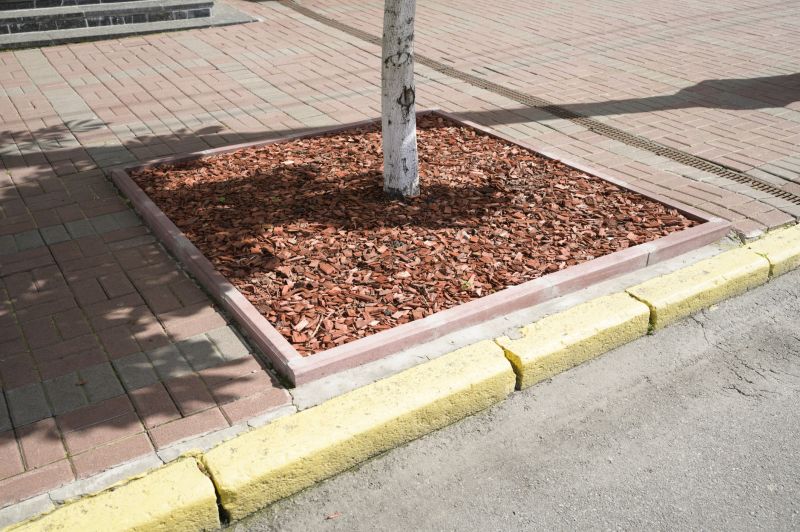
Use consistent comparison criteria to evaluate local contractors’ scope, experience, and written expectations for tree curbing installation.
- Scope Definition - Clearly outline the specific tasks and materials required for the tree curbing installation project.
- Experience Verification - Confirm that local contractors have relevant experience with tree curbing and landscape edging projects.
- Material Selection - Specify the types of materials to be used and ensure they meet project requirements.
- Workmanship Standards - Establish expectations for the quality and durability of the installation process.
- Written Agreement - Document the scope, materials, and standards in a detailed written contract before work begins.
When comparing contractors for tree curbing installation, it is important to consider their experience with similar projects. Homeowners should seek service providers who have a proven track record of completing tree curbing work in environments comparable to their own property. This experience can indicate familiarity with the specific challenges that may arise, such as soil conditions, tree types, and landscape layouts. By understanding a contractor’s background with comparable projects, homeowners can better assess whether the service provider has the practical knowledge needed to deliver quality results.
A clear, written scope of work is essential when evaluating tree curbing contractors. This document should outline all aspects of the project, including materials to be used, the extent of the curb installation, and any specific procedures or standards to be followed. Having a detailed scope helps prevent misunderstandings and ensures that both parties have aligned expectations. Homeowners are encouraged to review and request written descriptions of the work to confirm that the project’s scope is comprehensive and clearly defined before any work begins.
Verification basics involve confirming a contractor’s experience and understanding of the project requirements. Homeowners should ask for references or examples of previous work similar in scope and complexity. Additionally, it is helpful to inquire about the contractor’s familiarity with local regulations or standards that may impact the installation process. Verifying these details provides confidence that the service provider has the necessary background to handle the job effectively and can deliver results aligned with project expectations.
When evaluating options for tree curbing installation, it is useful to compare how each contractor approaches the project scope, their experience with similar work, and the clarity of their written proposals. Homeowners should look for service providers who offer detailed, transparent descriptions of their work and who can demonstrate relevant experience through references or project examples. Focusing on these factors helps ensure that the chosen contractor is capable of meeting the specific needs of the project and that expectations are clearly established before work begins.
Ask contractors to provide written scope details to ensure clear expectations and consistent project understanding.
- Experience and Expertise - How do local contractors demonstrate their experience with tree curbing installation?
- Scope of Work - What specific tasks are included in the scope of the project, and how is it defined in writing?
- Materials and Techniques - Which materials and installation methods do local service providers recommend for durability and quality?
- Project Expectations - How do contractors clarify project scope and set clear expectations before beginning work?
- Comparison Criteria - What factors should be considered when comparing different local contractors for tree curbing installation?
What should I consider when choosing a contractor for tree curbing installation? It's important to compare local contractors based on experience, reputation, and the scope of services they offer to ensure they meet specific project needs.
How can I verify a contractor’s experience with tree curbing installation? You can review their past work, ask for references, or check if they have relevant project portfolios to assess their expertise in tree curbing projects.
Why is it important to define the scope of work in writing? Having a clear, written scope helps set expectations, prevents misunderstandings, and ensures all parties agree on the project details before work begins.
What questions should I ask a contractor before hiring for tree curbing installation? Inquire about their experience, the types of materials they use, their process for installation, and how they handle project cleanup and site protection.
How can I compare different contractors effectively? Consider their experience, reviews, scope of services, and the clarity of their proposals to determine which contractor aligns best with project requirements.
What role does communication play in selecting a contractor for tree curbing? Clear and open communication helps ensure that project expectations are understood and that any concerns are addressed throughout the process.
This page has provided an overview of what to consider when choosing contractors for tree curbing installation. Visitors learned how to define the scope of their project, verify the experience of potential service providers, and the importance of putting expectations in writing to ensure clarity. Comparing local contractors can help identify options that align with specific project needs and preferences.
To move forward, using the quote form allows for easy comparison of local contractors who can handle tree curbing installation. This process can help find service providers suited to the project's scope, making it easier to explore available options within the area.